Learning English can be frustrating when you know the grammar rules but still struggle to speak confidently, understand native speakers, or express your ideas clearly. An English tutor can make the learning process more focused by identifying your weaknesses, adapting lessons to your level, and giving you regular opportunities to practise.
Whether you are a beginner, a school student, a university learner, a working professional, or preparing for an English proficiency exam, the right tutor can help you work toward specific goals instead of following a one-size-fits-all course.
This guide explains what an English tutor does, who can benefit from tutoring, how to choose the right tutor, and what you should expect from effective English lessons.
What Is an English Tutor?
An English tutor is a teacher who provides individual or small-group instruction to help learners develop their English language skills.
Unlike a large classroom where a teacher has to divide attention among many students, tutoring allows lessons to focus more closely on an individual learner’s needs.
An English tutor may help students with:
- Speaking and conversation
- Grammar
- Vocabulary
- Pronunciation
- Listening
- Reading
- Writing
- Academic English
- Business English
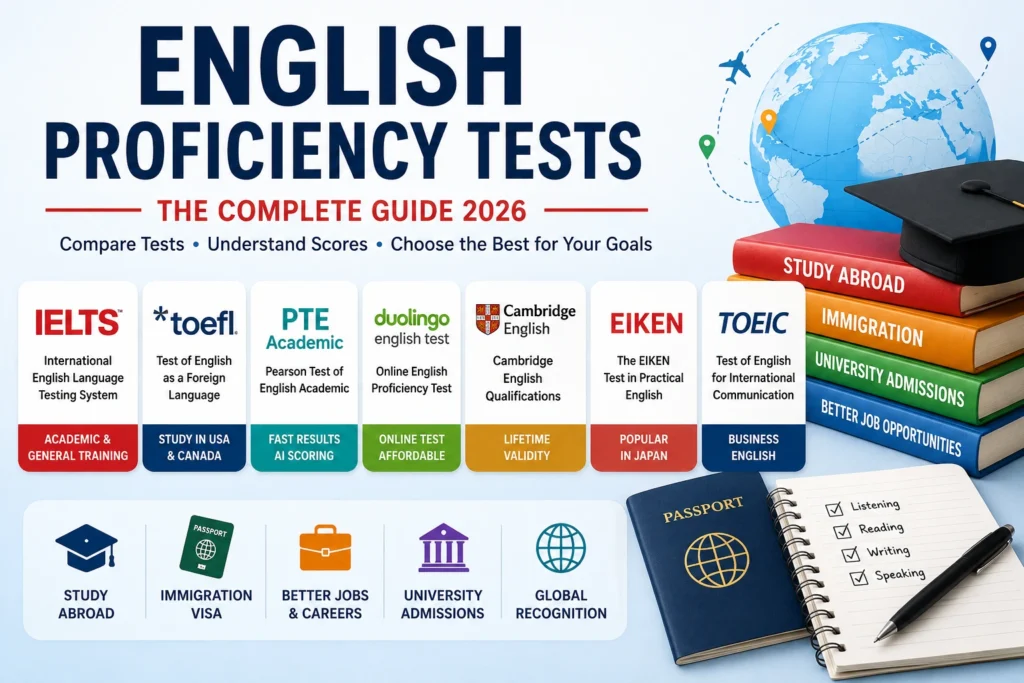
- IELTS and other English exams
- English for school or university
- Interview preparation
- Presentation skills
The best tutoring is not simply about explaining grammar rules. A good tutor first tries to understand what the learner needs English for and then designs practice around that goal.
For example, a student preparing for IELTS may need a very different learning plan from a professional who wants to communicate more confidently in workplace meetings.
Who Needs an English Tutor?
Almost anyone can benefit from English tutoring if they have a specific learning goal.
1. Beginners
Beginners often need help developing a foundation in vocabulary, sentence structure, pronunciation, and everyday communication.
A tutor can introduce English gradually rather than overwhelming the learner with complicated grammar terminology.
If you are starting English from the beginning, our guide to finding an English tutor for beginners can help you understand what to look for.
2. School Students
Students may need additional support with:
- English grammar
- Reading comprehension
- Essay writing
- Creative writing
- Vocabulary
- Literature
- Examination preparation
One-to-one tutoring can be particularly useful when a student is falling behind in a particular area.
3. University Students
University learners may need help with academic writing, presentations, research writing, speaking skills, or reading difficult academic texts.
An English tutor can also help students identify recurring problems in their writing and develop strategies for correcting them.
4. Adults and Professionals
Adults often learn English for practical reasons rather than simply to pass an examination.
They may want to:
- Speak more confidently at work
- Participate in meetings
- Write professional emails
- Give presentations
- Prepare for job interviews
- Communicate with international colleagues
- Improve pronunciation
- Develop business English
For these learners, lessons should be connected to real situations rather than consisting entirely of textbook exercises.
5. IELTS and Other Exam Candidates
An English tutor can help candidates understand the requirements of an examination and practise the specific skills they need.
For example, IELTS students may need targeted practice in:
- Reading
- Listening
- Speaking
- Writing
- Vocabulary
- Grammar
- Time management
However, simply taking lessons with a tutor does not guarantee a high score. Progress depends on the quality of instruction, the learner’s starting level, regular practice, and the effectiveness of the study plan.
What Does an English Tutor Teach?
The content of tutoring should depend on the learner’s goals and current level.
English Grammar
Grammar tutoring can cover topics such as:
- Parts of speech
- Tenses
- Subject-verb agreement
- Articles
- Prepositions
- Modals
- Conditionals
- Passive voice
- Reported speech
- Clauses
- Sentence structure
A good tutor should not teach grammar as a collection of rules to memorize. Learners should also practise using grammatical structures in meaningful communication.
Speaking English
Many learners understand English reasonably well but hesitate when they have to speak.
Speaking lessons can include:
- Everyday conversations
- Role plays
- Discussions
- Picture description
- Storytelling
- Interviews
- Presentations
- Opinion-based questions
The tutor can identify problems with grammar, vocabulary, pronunciation, fluency, and sentence formation while the learner is speaking.
English Vocabulary
Vocabulary lessons should go beyond memorizing long lists of words.
Learners need to understand:
- Meaning
- Pronunciation
- Word forms
- Collocations
- Context
- Common expressions
- Appropriate usage
For example, knowing the word “decision” is useful, but knowing common combinations such as “make a decision” helps learners use the language more naturally.
Reading
An English tutor can help learners improve reading through:
- Short texts
- News articles
- Stories
- Academic passages
- Reading comprehension exercises
- Vocabulary-in-context activities
The goal should be to develop both comprehension and effective reading strategies.
Writing
Writing tutoring can focus on:
- Sentence construction
- Paragraph organization
- Essays
- Emails
- Reports
- Academic writing
- Creative writing
- Exam responses
A useful tutor does more than correct mistakes. The learner should understand why something is incorrect and how to avoid making the same mistake again.
Online English Tutor vs. Face-to-Face Tutor
Today, learners can choose between traditional face-to-face tutoring and online English tutoring.
Online tutoring has become particularly convenient because learners can attend lessons from home and often choose flexible schedules. For example, the British Council offers online English learning through both private and group classes.
Advantages of an Online English Tutor
Online tutoring can provide:
- Flexible scheduling
- One-to-one lessons
- Access to tutors in different locations
- Digital learning materials
- Video and audio communication
- Convenient lessons from home
- Opportunities for regular speaking practice
Some online tutoring services also provide personalized feedback and learning plans.
If you prefer the flexibility of learning from home, read our guide to finding the right English tutor online.
Advantages of Face-to-Face Tutoring
Traditional tutoring may be preferable for learners who:
- Prefer direct personal interaction
- Have difficulty concentrating online
- Need hands-on classroom support
- Are younger children who benefit from physical classroom routines
- Have limited or unreliable internet access
There is no universal answer as to which format is better. The best choice depends on the learner, tutor, learning goal, schedule, and available resources.
How to Choose the Best English Tutor
Choosing a tutor should involve more than looking for someone who speaks English well.
Here are several factors to consider.
1. Check the Tutor’s Qualifications
Look at the tutor’s educational background and teaching qualifications.
Depending on the type of tutoring, relevant qualifications may include degrees in English, education, applied linguistics, TESOL, TEFL, CELTA, or other recognized teaching credentials.
For example, CELTA is a teaching qualification rather than a CEFR language examination; Cambridge notes that candidates taking CELTA need English at approximately C1/C2 level depending on the route and grade requirements.
However, qualifications are only one part of the picture.
2. Consider Teaching Experience
Experience matters because knowing English and knowing how to teach English are different things.
An experienced tutor is more likely to recognize common learner difficulties and adapt explanations when a student does not understand something the first time.
3. Look for Subject Specialization
Choose a tutor whose experience matches your goal.
For example:
IELTS preparation → IELTS-focused tutor
Young learner → tutor experienced with children
Business English → tutor experienced in professional communication
Academic writing → tutor with academic-writing experience
Speaking fluency → tutor who provides substantial conversation practice
4. Ask About the Teaching Method
Before committing to regular lessons, ask the tutor:
- How do you assess my English level?
- How will you identify my weaknesses?
- What will we work on?
- How much speaking practice will I get?
- Will I receive feedback?
- How will you measure my progress?
A tutor should be able to explain how lessons will be adapted to your needs.
5. Take a Trial Lesson
A trial lesson can reveal much more than a tutor’s profile.
During the lesson, consider:
- Does the tutor listen to you?
- Are explanations clear?
- Do you get enough opportunities to speak?
- Does the tutor correct errors constructively?
- Does the lesson have a clear purpose?
- Do you feel comfortable asking questions?
The right tutor should make you feel challenged but not intimidated.
How Much Does an English Tutor Cost?
English tutoring prices vary considerably.
The cost can depend on:
- Tutor qualifications
- Teaching experience
- Country
- Location
- Lesson length
- Subject specialization
- Online or face-to-face format
- Individual or group lessons
- Exam preparation
- Demand for the tutor
For this reason, it is difficult to give one universal price for an English tutor.
Instead of choosing the cheapest tutor automatically, consider value for money.
A more expensive tutor who provides structured lessons, useful feedback, and a personalized learning plan may produce more value than a cheaper tutor who simply conducts informal conversations.
How Often Should You Meet an English Tutor?
There is no single schedule that works for everyone.
For many learners, consistency is more important than occasional intensive lessons.
For example, a learner might choose:
- Two 30-minute lessons per week
- Two 60-minute lessons per week
- Three shorter speaking sessions per week
- One longer lesson combined with independent practice
The important point is to combine tutoring with practice between lessons.
A learner who attends one lesson each week but does nothing afterward may progress more slowly than someone who combines tutoring with daily reading, listening, speaking, and writing practice.
How to Get the Most From Your English Tutor
Hiring a tutor is only the beginning. Your own participation has a major influence on your progress.
Practise Between Lessons
Review vocabulary, grammar, corrections, and feedback after every lesson.
Keep an Error Journal
Write down mistakes that you repeatedly make.
For example:
He go to school every day.
Correct:
He goes to school every day.
Record the mistake, the correction, and a few examples of the correct structure.
Speak as Much as Possible
If your main goal is fluency, don’t spend the entire lesson listening to the tutor explain grammar.
Ask for opportunities to speak.
Ask Questions
If you don’t understand why something is correct, ask.
A good tutoring session should be interactive.
Review Feedback
Don’t simply receive corrections and forget them. Review your tutor’s feedback regularly and look for patterns.
If you repeatedly make the same mistake, tell your tutor. That mistake may need targeted practice.
English Tutor for Speaking Fluency
Speaking is one of the most common reasons learners look for an English tutor.
However, simply having conversations does not automatically produce fluency.
Effective speaking lessons can include a cycle such as:
Speak → Receive feedback → Correct → Practise again → Use the language in a new situation
For example, a tutor might ask a learner to describe their daily routine. After listening, the tutor identifies a few important problems with grammar, vocabulary, or pronunciation.
The learner then practises the corrected forms before using them again in a different conversation.
This approach makes speaking practice more purposeful.
English Tutor for IELTS Preparation
If you are preparing for IELTS, look for a tutor who understands the test format as well as English language teaching.
A good IELTS tutor can help you understand:
- Question types
- Assessment criteria
- Speaking strategies
- Writing organization
- Reading strategies
- Listening strategies
- Time management
- Common errors
However, IELTS tutoring should not become a collection of memorized answers.
The goal should be to develop the underlying language skills while also learning how to approach the examination effectively.
If you are preparing for the IELTS exam, see our detailed guide to choosing an English tutor for IELTS.
English Tutor for Children
Children need a different approach from adult learners.
An effective tutor may use:
- Stories
- Games
- Pictures
- Songs
- Simple conversations
- Reading activities
- Interactive exercises
- Age-appropriate worksheets
The tutor should also consider the child’s attention span and interests.
For younger learners, an overly grammar-heavy lesson can quickly become boring. Meaningful activities and frequent opportunities to participate can make learning more engaging.
English Tutor for Grammar
If grammar is your main weakness, don’t assume that you need to study every grammar rule in English.
A tutor should first identify your most important problems.
For example, an intermediate learner may already understand basic present and past tenses but consistently struggle with:
- Articles
- Prepositions
- Conditionals
- Complex sentences
- Subject-verb agreement
Targeting those specific problems is usually more useful than restarting the entire grammar syllabus.
What Makes a Good English Tutor?
A good English tutor should be more than someone who knows English.
Important qualities include:
- Strong communication skills
- Subject knowledge
- Teaching experience
- Patience
- Good listening skills
- Ability to explain difficult concepts simply
- Adaptability
- Constructive feedback
- Clear lesson planning
- Understanding of learner needs
Most importantly, the tutor should be interested in whether the student is actually learning.
A tutor who talks for most of the lesson may know a great deal about English but may not be providing the learner with enough opportunities to practise.
Can AI Replace an English Tutor?
AI tools can be useful for English learners, particularly for additional practice, conversation, vocabulary work, writing feedback, and generating exercises.
Recent research is also exploring how AI-based English tutors can become more pedagogically adaptive rather than simply generating fluent responses.
However, AI should be treated as a learning aid rather than automatically assuming that it can replace a skilled teacher.
A human tutor can observe a learner’s difficulties, adjust explanations, respond to emotions and motivation, and make teaching decisions based on the learner’s individual behavior.
The most useful approach for many learners may be to combine human instruction with technology-assisted practice.
Questions to Ask Before Hiring an English Tutor
Before choosing a tutor, ask:
- What are your qualifications?
- How many years have you been teaching English?
- What types of students do you normally teach?
- Do you specialize in speaking, IELTS, academic English, or another area?
- How do you assess a new student’s level?
- What will my first few lessons look like?
- How much speaking practice will I get?
- Do you provide homework?
- How do you give feedback?
- How will we measure my progress?
- Do you offer a trial lesson?
- What is your cancellation policy?
These questions can help you distinguish between a tutor who has a clear teaching approach and someone who simply offers conversation sessions.
Do You Really Need an English Tutor?
Not everyone needs private tutoring.
You may be able to make significant progress through self-study if you have:
- Strong motivation
- Good learning materials
- A clear study plan
- Regular opportunities to practise
- The ability to identify and correct your mistakes
However, tutoring can be particularly valuable when you feel stuck, don’t know what to study next, need personalized feedback, or have a specific deadline such as an examination or job interview.
The biggest advantage of a good tutor is personalization.
Instead of asking, “What should everyone learn about English?” you can ask:
“What do I need to improve next?”
That is where effective tutoring can make a real difference.
Final Thoughts
Finding the right English tutor is not simply about finding someone who speaks English fluently. The right tutor should understand your goals, assess your current ability, identify your weaknesses, provide meaningful practice, and give feedback that helps you improve.
Whether your goal is better speaking, stronger grammar, improved academic writing, IELTS preparation, or greater confidence in everyday communication, a personalized learning plan can make your study time more productive.
If you are considering an English tutor, start by defining your goal. Then find a tutor whose qualifications, experience, teaching style, and specialization match that goal.
Most importantly, remember that a tutor can guide your learning, but regular practice is what turns lessons into lasting improvement.
Looking for an English tutor in Australia? Our complete guide to English tutoring in Sydney explains how to compare tutors, understand pricing, and select the best option for your needs.