Learning English online has become a practical option for students, professionals, parents, and anyone who wants to improve their communication skills. With an English tutor online, you can receive personalized instruction without travelling to a classroom, choose lesson times that fit your schedule, and focus on the specific English skills you need.
But finding an online tutor is not simply about choosing the person with the highest rating or the lowest price. The right tutor should match your English level, learning goals, preferred teaching style, and available time.
This guide explains how online English tutoring works, what you can learn, how to choose the right tutor, and how to make your online lessons more effective.
For a broader look at choosing an English teacher and finding the right learning support, read our complete guide to finding an English tutor.
What Is an English Tutor Online?
An English tutor online is a teacher who provides English instruction through the internet, usually using video-conferencing software or an online tutoring platform.
Online lessons can be one-to-one or conducted in small groups. Depending on the tutor and platform, lessons may include video conversations, screen sharing, digital whiteboards, online worksheets, reading passages, writing activities, and speaking practice.
Online English tutoring can cover almost every area of language learning, including:
- English speaking
- Grammar
- Vocabulary
- Pronunciation
- Listening
- Reading
- Writing
- Academic English
- Business English
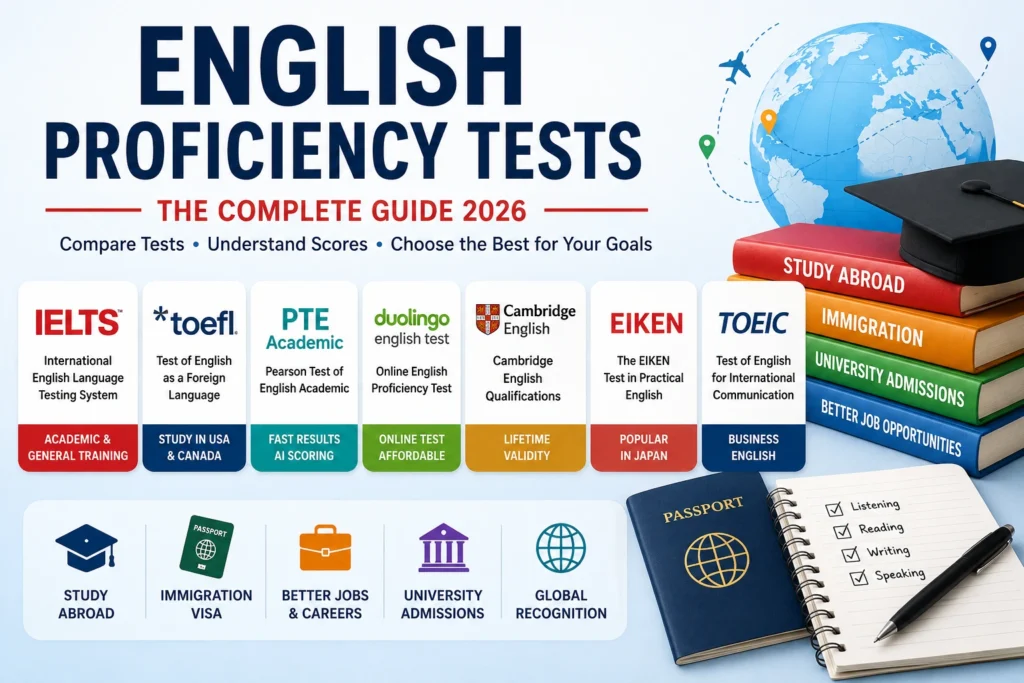
- IELTS preparation
- TOEFL and PTE preparation
- School English
- Interview preparation
- Conversation practice
Many online tutoring services specifically offer personalized one-to-one lessons and allow learners to work toward goals such as spoken English, IELTS, grammar, writing, or school examinations.
How Does Online English Tutoring Work?
The exact process varies from one tutor to another, but a typical online lesson follows a simple pattern.
Step 1: Identify Your Goal
Before beginning lessons, you should decide what you want to achieve.
For example, your goal might be:
“I want to speak English confidently at work.”
Another learner might say:
“I need to improve my IELTS Writing score.”
These two learners need very different lessons.
Step 2: Assess Your English Level
A good tutor should determine your current level before creating a long-term learning plan.
The assessment may involve:
- A short conversation
- Reading aloud
- Grammar questions
- Writing
- Listening activities
- Vocabulary questions
The purpose is not to give you a difficult test. It is to identify what you already know and what needs improvement.
Step 3: Create a Learning Plan
Once the tutor understands your level and goals, lessons can be planned around your specific needs.
For example, an intermediate learner who wants better speaking skills might spend lessons on:
- Conversation
- Vocabulary
- Pronunciation
- Fluency
- Grammar correction
- Real-life situations
Step 4: Attend Regular Lessons
Consistency is important.
You might have two 45-minute lessons each week, one hour-long lesson twice a week, or another schedule that suits your needs.
Step 5: Practise Between Lessons
Your progress should not depend entirely on the time you spend with your tutor.
Reading, listening, vocabulary review, speaking practice, and writing between lessons can significantly increase the value of tutoring.
Why Choose an English Tutor Online?
Online tutoring offers several practical advantages.
1. Learn From Home
You don’t need to travel to a tutoring center.
You can attend a lesson from your home, office, dormitory, or another suitable location as long as you have a reliable internet connection.
2. Flexible Scheduling
Online tutoring can make it easier to find lesson times that fit around school, university, work, or family responsibilities.
Some tutoring services offer lessons across different time zones and schedules.
3. Personalized Lessons
One of the biggest advantages of private tutoring is personalization.
A tutor can spend more time on your weaknesses instead of following exactly the same lesson plan used for every learner.
4. Access to Tutors From Different Locations
Online learning removes much of the geographical limitation associated with traditional tutoring.
You can potentially work with a tutor from another city or country if the tutor’s qualifications, teaching style, schedule, and accent suit your needs.
5. Convenient Learning Materials
Online lessons can make it easy to share:
- PDFs
- Worksheets
- Presentations
- Videos
- Articles
- Writing assignments
- Vocabulary lists
- Digital exercises
Some online tutoring services combine live lessons with digital whiteboards, screen sharing, worksheets, and other resources.
What Can You Learn With an Online English Tutor?
A major advantage of online tutoring is that you can target a specific skill instead of studying everything at once.
Online English Tutor for Speaking
If you understand English but hesitate when speaking, consider finding a tutor who specializes in conversational English.
Speaking lessons can include:
- Daily conversations
- Role plays
- Discussions
- Storytelling
- Picture description
- Job interviews
- Presentations
- Opinion-based questions
- Pronunciation practice
The tutor should give you plenty of opportunities to speak rather than spending most of the lesson talking themselves.
A useful speaking lesson often follows this cycle:
Speak → Receive feedback → Correct mistakes → Practise again → Use the language in a new situation
This gives the learner an opportunity to turn corrections into active language skills.
Online English Tutor for Beginners
Beginners need a structured and supportive approach.
An online English tutor for beginners may focus on:
- Basic vocabulary
- Everyday expressions
- Sentence formation
- Pronunciation
- Basic grammar
- Simple conversations
- Reading short texts
- Listening to simple English
Beginners should not be expected to understand complicated grammatical explanations immediately.
A good tutor should be able to explain difficult concepts in simple language and gradually increase the level of difficulty.
Online English Tutor for Adults
Adult learners often have very specific reasons for improving English.
They may need English for:
- Work
- International communication
- Travel
- Job interviews
- University
- Presentations
- Meetings
- Emails
- Everyday conversations
An adult learner may benefit more from practical, goal-based lessons than from following a general textbook from beginning to end.
For example, a professional preparing for an international job interview could practise introducing themselves, answering common interview questions, explaining their experience, and discussing their professional skills.
Online English Tutor for Grammar
Grammar problems can make speaking and writing difficult.
An online grammar tutor can help learners identify recurring problems with:
- Tenses
- Articles
- Prepositions
- Subject-verb agreement
- Modals
- Conditionals
- Passive voice
- Reported speech
- Sentence structure
- Clauses
However, grammar lessons should not become endless rule memorization.
The most useful approach is often:
Understand the rule → See examples → Practise → Use the structure in communication → Receive feedback
Online English Tutor for IELTS
If you are preparing for IELTS, choose a tutor who understands both English teaching and the IELTS examination.
An IELTS tutor can help with:
- IELTS Speaking
- IELTS Writing
- IELTS Reading
- IELTS Listening
- Vocabulary
- Grammar
- Time management
- Question types
- Practice tests
- Feedback
For IELTS preparation, ask the tutor how they will measure your progress and whether they provide detailed feedback on your speaking and writing.
Don’t choose a tutor solely because they claim to have helped students achieve high scores. Ask how they actually teach the skills required by the test.
Online English Tutor for Writing
Writing requires more than knowing individual vocabulary words.
A writing tutor can help you improve:
- Sentence structure
- Paragraph organization
- Vocabulary
- Grammar
- Coherence
- Cohesion
- Academic style
- Argument development
- Editing skills
One particularly useful feature of online tutoring is the ability to share your writing before or during a lesson and work through corrections together. Some tutoring services specifically offer personalized feedback on essays and examination responses.
How to Choose the Best Online English Tutor
Choosing the right tutor is probably the most important part of online English learning.
Here are the factors I recommend considering.
1. Start With Your Goal
Don’t begin by asking:
“Who is the best English tutor?”
Instead ask:
“What do I want to achieve?”
Your ideal tutor depends on your answer.
For example:
| Your goal | Look for a tutor who specializes in |
|---|---|
| Speaking fluency | Conversation and speaking |
| IELTS | IELTS preparation |
| Grammar | Grammar and language structure |
| Academic writing | Academic English |
| Job interviews | Professional English |
| Children’s English | Young learners |
| Business communication | Business English |
| Beginner English | Foundation-level teaching |
A recent guide on choosing an online English tutor similarly recommends defining your learning goals before comparing tutors.
2. Check Qualifications
Look at the tutor’s education, teaching qualifications, and relevant training.
Depending on your needs, useful backgrounds may include:
- English
- Applied Linguistics
- Education
- TESOL
- TEFL
- CELTA
- English language teaching
- Relevant examination training
Qualifications are useful, but they should not be the only factor.
A highly qualified tutor who cannot explain concepts clearly may not be the right match for you.
3. Look at Teaching Experience
Experience can be especially important when you have a specific learning problem.
For example, someone preparing for IELTS may benefit from a tutor with experience teaching IELTS candidates rather than someone who only provides casual conversation practice.
4. Check the Tutor’s Teaching Style
Some tutors are highly structured. Others prefer conversation-based lessons.
Ask yourself which approach suits you.
If you want systematic grammar instruction, choose someone who provides structured lessons.
If your main problem is speaking confidence, choose someone who gives you plenty of opportunities to communicate.
5. Listen to the Tutor’s Accent
Accent should not automatically determine whether a tutor is good or bad.
English is spoken with many different accents around the world.
However, you should be able to understand your tutor comfortably.
If you are learning English for international communication, you may also benefit from exposure to different accents rather than limiting yourself to one variety.
6. Read Reviews Carefully
Reviews can provide useful information about a tutor’s reliability, communication, teaching style, and effectiveness.
But don’t rely entirely on star ratings.
Look for detailed comments that explain what the tutor actually helped the learner achieve.
7. Take a Trial Lesson
A trial lesson is one of the best ways to determine whether a tutor is suitable.
During the lesson, consider:
- Did the tutor listen to you?
- Did you have enough time to speak?
- Were explanations clear?
- Did the tutor understand your goals?
- Was the lesson organized?
- Did you receive useful feedback?
- Did you feel comfortable asking questions?
A trial lesson can help you judge the teaching relationship before making a longer commitment.
How Much Does an Online English Tutor Cost?
There is no single price for online English tutoring.
Rates can vary according to:
- Tutor qualifications
- Teaching experience
- Location
- Subject
- Specialization
- Lesson duration
- Student level
- Exam preparation
- Individual or group lessons
- Platform fees
For example, online tutoring marketplaces may have tutors offering different lesson rates, while independent tutors can set their own prices.
Some tutors and platforms also offer introductory or trial lessons.
The cheapest tutor is not necessarily the best value.
Instead of asking only:
“How much does this tutor charge?”
also ask:
“What do I receive for that price?”
A tutor who provides personalized preparation, detailed feedback, useful materials, and structured progress tracking may provide more value than a cheaper tutor who simply conducts informal conversations.
How Often Should You Take Online English Lessons?
Your ideal schedule depends on your goals and available time.
For general improvement, you might take lessons:
- Once a week
- Twice a week
- Three times a week
- More frequently before an examination
For speaking improvement, regular shorter sessions can be useful because they give you frequent opportunities to use English.
For exam preparation, you may benefit from a more intensive schedule as your test date approaches.
But tutoring should be combined with independent practice.
For example:
Monday: Online lesson
Tuesday: Reading and vocabulary
Wednesday: Speaking practice
Thursday: Online lesson
Friday: Listening practice
Saturday: Writing
Sunday: Review and revision
The exact schedule can vary, but consistent exposure is more useful than studying intensively once in a while.
How to Prepare for Your First Online English Lesson
You can make your first lesson more productive by preparing a few things in advance.
Before the lesson:
- Test your microphone.
- Check your camera if video is required.
- Find a quiet place.
- Prepare your learning goals.
- Have a notebook ready.
- Keep your previous English work available.
- Prepare questions about your difficulties.
Most importantly, don’t be embarrassed about making mistakes.
Your mistakes give the tutor information about what you need to practise.
Questions to Ask an Online English Tutor
Before choosing a tutor, you can ask:
- What qualifications do you have?
- How long have you been teaching English?
- What types of learners do you teach?
- Do you specialize in speaking, IELTS, grammar, writing, or another area?
- How will you assess my English level?
- How will you create my learning plan?
- How much speaking practice will I receive?
- Do you provide homework?
- How do you correct mistakes?
- Will I receive feedback after lessons?
- How will we measure my progress?
- Do you offer a trial lesson?
- How long is each lesson?
- What happens if I need to cancel a lesson?
The answers can tell you a lot about the tutor’s professionalism and teaching approach.
Online English Tutor vs. Self-Study
Do you actually need an online tutor?
Not necessarily.
Self-study can be effective when you have:
- Motivation
- Good learning resources
- A clear plan
- Regular practice
- Opportunities to use English
- The ability to identify your weaknesses
However, self-study becomes difficult when you don’t know what to study or why you keep making the same mistakes.
An online tutor provides something that many self-study resources cannot easily provide: personalized feedback.
For example, a grammar book can tell you the difference between “has” and “have.” A tutor can listen to you speaking and identify that you repeatedly use the wrong form in real conversation.
That difference can be important.
Can AI Replace an Online English Tutor?
AI tools are becoming increasingly useful for language learning.
Learners can use AI for:
- Vocabulary practice
- Conversation practice
- Grammar exercises
- Writing feedback
- Role plays
- Question generation
- Reading activities
Research into AI-based tutoring also suggests that language learners can benefit from accessible, conversational tutoring systems and personalized support.
However, AI and human tutoring have different strengths.
A human tutor can observe your communication, adapt explanations instantly, understand your learning behavior, and decide when you need more practice or a different teaching approach.
For many learners, the most effective approach may be to combine an online English tutor with AI-assisted practice.
Use the tutor for instruction, feedback, accountability, and personalized guidance, and use technology for additional practice between lessons.
How to Get the Most From Your Online English Tutor
Your tutor can guide you, but your own effort determines much of your progress.
Speak Even When You Make Mistakes
Don’t wait until your English is perfect before speaking.
Mistakes are part of learning.
Keep a Vocabulary Notebook
Record useful words and phrases in context instead of simply making long word lists.
Maintain an Error Log
Write down mistakes that you repeatedly make.
For example:
Incorrect: She go to school every day.
Correct: She goes to school every day.
Then create several new sentences using the correct structure.
Review After Every Lesson
Spend a few minutes reviewing:
- New vocabulary
- Corrections
- Grammar points
- Pronunciation
- Homework
Practise Outside the Lesson
Watch English videos, listen to podcasts, read articles, write short paragraphs, and speak whenever you have an opportunity.
Your tutor provides guidance, but regular exposure makes that guidance more effective.
Is an Online English Tutor Worth It?
For many learners, the answer can be yes—especially when they have a clear goal and need personalized feedback.
An online tutor can be particularly useful if:
- You lack confidence when speaking.
- You keep making the same grammar mistakes.
- You need IELTS or another exam.
- You need English for work.
- You need help with academic writing.
- You don’t know how to structure your self-study.
- You want someone to monitor your progress.
However, tutoring is not a magic solution.
If you attend lessons but rarely practise between them, your progress may be limited.
The most successful learners usually combine good instruction, regular practice, feedback, and consistency.
Frequently Asked Questions
What is the best online English tutor?
There is no single best tutor for everyone. The right tutor depends on your level, goals, budget, schedule, and preferred teaching style.
Is an online English tutor good for beginners?
Yes. Online tutoring can work well for beginners when the tutor uses clear explanations, simple language, structured lessons, and plenty of guided practice.
Can I improve my speaking with an online English tutor?
Yes. Look for a tutor who gives you substantial speaking time and provides useful feedback on grammar, vocabulary, pronunciation, and fluency.
How many lessons do I need?
There is no fixed number. Your progress depends on your starting level, goals, lesson frequency, independent practice, and consistency.
Is online English tutoring better than classroom learning?
Not necessarily. Both can be effective. Online tutoring offers flexibility and personalization, while classroom learning can provide face-to-face interaction and group communication.
Can I learn English completely online?
Yes. Many learners develop their English skills through online lessons combined with independent reading, listening, speaking, and writing practice.
Final Thoughts
Choosing an English tutor online can be an excellent way to make English learning more personalized and convenient. Instead of following a general course that may spend too much time on skills you already know, you can focus your lessons on the areas where you need the most improvement.
The most important step is to identify your goal first.
Do you want to speak confidently? Prepare for IELTS? Improve your grammar? Write better academic English? Communicate more effectively at work?
Once you know your goal, look for a tutor whose experience and teaching approach match it.
And remember: the tutor is your guide, not a substitute for practice. The strongest results usually come when you combine personalized tutoring with regular English practice outside the lesson.
If you are consistent, use feedback intelligently, and choose a tutor who understands your needs, online English tutoring can become a practical part of a long-term English learning plan.