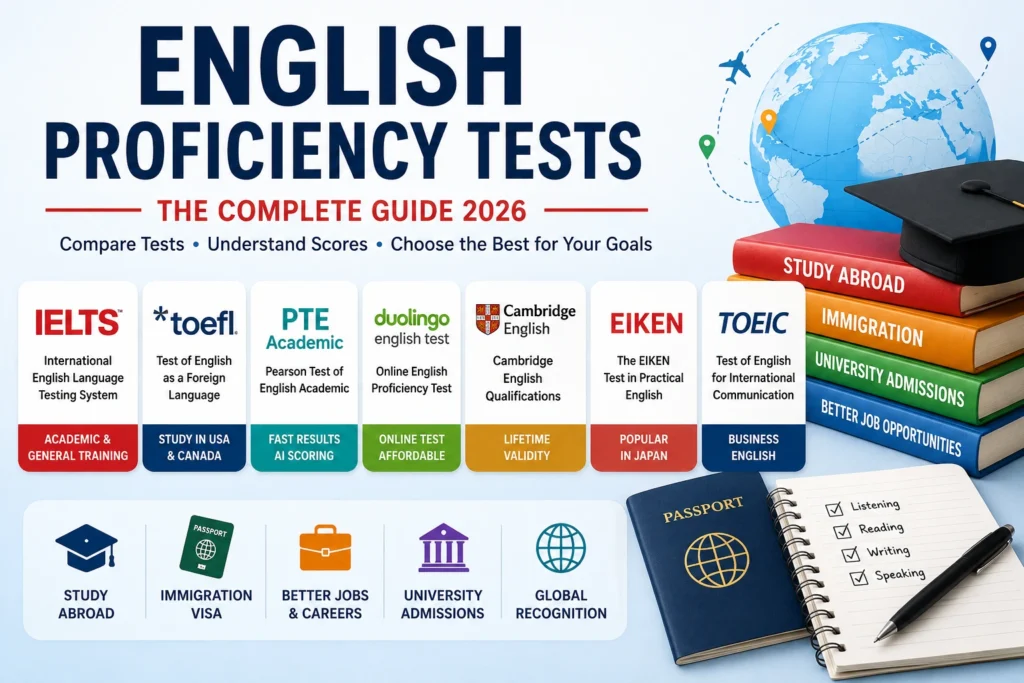
Creating an effective English Language (ELT) lesson plan is both a science and an art. It requires a balance between rigid linguistic structures and the fluid, often unpredictable nature of human communication. Whether you are preparing students for academic exams or helping professionals navigate corporate negotiations, a well-structured plan ensures that learning is purposeful, measurable, and engaging.
Here is a comprehensive guide to designing a lesson plan that moves beyond simple instruction toward true language acquisition.
1. The Foundation: Clear Learning Objectives
Before choosing an activity or a text, you must define the “destination.” Effective objectives should be SMART (Specific, Measurable, Achievable, Relevant, and Time-bound) and focused on what the student will do.
- Weak Objective: “Students will learn about the Present Perfect tense.”
- Strong Objective: “By the end of the lesson, students will be able to use the Present Perfect to describe three personal life experiences in a peer interview.”
By focusing on the output, you provide a clear metric for success for both yourself and your learners.
2. The Structural Framework: PPP vs. TTT
Most successful ELT lessons follow one of two primary frameworks. Choosing the right one depends on your students’ level and the complexity of the topic.
A. Presentation, Practice, Production (PPP)
This is the “classic” model, ideal for introducing new grammar points or vocabulary.
- Presentation: Introduce the target language in a clear context (e.g., a short story or a dialogue).
- Practice: Controlled exercises like gap-fills, matching, or sentence transformations.
- Production: The “fluency” stage where students use the language freely in a role-play, debate, or writing task.
B. Test-Teach-Test (TTT)
Best for intermediate to advanced learners, this model identifies what students already know to avoid “over-teaching.”
- Test: Give students a task without prior instruction to see their current ability.
- Teach: Address the specific gaps and errors identified during the first stage.
- Test: Provide a new, similar task to see if they can now apply the corrected language.
3. The Anatomy of the Lesson Plan
A professional lesson plan should be broken down into timed stages to keep the energy high and the focus sharp.
I. The Lead-In (5–10 Minutes)
Never start a lesson by saying, “Open your books to page 42.” Start with a “hook.” Use a provocative image, a quick poll, or a personal anecdote to activate the students’ prior knowledge and get them thinking in English.
II. Target Language Input (15–20 Minutes)
Whether you are teaching “Functional English” for business or “Academic English” for exams like IELTS, ensure the input is Comprehensible.
- Concept Check Questions (CCQs): Instead of asking “Do you understand?”, ask specific questions to verify comprehension. (e.g., “If I had won the lottery, am I rich now? No.”)
III. Guided Practice (15 Minutes)
This stage bridges the gap between understanding and doing. Use worksheets, interactive digital tools, or “find someone who” activities. The goal here is accuracy.
IV. Free Production (20+ Minutes)
This is the most critical part of the lesson. The teacher should step back and become an observer. Students should be pushed to use the target language to achieve a real-world goal, such as:
- Negotiating a contract.
- Solving a logic puzzle in groups.
- Writing a blog post draft.
4. Anticipating Problems and Solutions
An expert educator always prepares for the “What Ifs.” Your lesson plan should include a section for Anticipated Problems.
| Potential Problem | Suggested Solution |
| Students keep reverting to their native language. | Assign a “language monitor” in each group or use a points-based reward system. |
| The activity finishes much faster than expected. | Always have a “Back-Pocket Activity,” such as a quick vocabulary game or a related discussion question. |
| One student dominates the conversation. | Use specific roles (e.g., Timekeeper, Note-taker) to ensure balanced participation. |
5. Integrating the Four Skills
While a lesson might focus on a specific grammar point, the best plans weave together the four core skills: Reading, Writing, Listening, and Speaking.
If the lesson is about formal email writing, don’t just write. Have students read a bad example, discuss (speak) why it’s ineffective, listen to a critique, and then finally write their own version. This multi-sensory approach mirrors how we use language in the real world.
6. The “Cool Down” and Feedback
End the lesson by circling back to your original objectives. Provide Delayed Error Correction—share the common mistakes you overheard during the free production stage without singling anyone out. This allows the whole class to learn from collective errors in a safe environment.
Final Thoughts
An effective lesson plan is not a script to be read; it is a flexible guide. The most successful teachers are those who can “read the room” and pivot when a particular concept needs more time or when a spontaneous discussion proves more valuable than the planned worksheet.
By grounding your plans in clear objectives and active production, you move your students away from memorizing rules and toward true linguistic confidence.
What is the biggest challenge you face when trying to keep students engaged during the “Practice” stage of a lesson?
Complete A1–A2 English Grammar Lesson Plans | Teach Nouns, Verbs, Adjectives & More